SHEET 02 / 06WORK · PLATFORMS & FIELD ARCHIVE

Three platforms, one thesis: faster code only moves the bottleneck.

AI copilots made writing code cheap, so the constraint moved downstream — review, handoffs, compliance. But most enterprise AI stays trapped in silos. Each platform below replaces a siloed step with one governed agentic layer — and each is sized like a P&L, not a demo.

~€520M
Annual value at stake · base case — full model on Sheet 06 →
~7:1
Blended value-to-cost ratio across the portfolio
<9 mo
Payback, including the adoption ramp
40%+
Faster engineering cycles

METRIC FLAGS: E — EVIDENCED I — ILLUSTRATIVE / DIRECTIONAL TARGET — every number below carries one.

open dossier --id=aura

AURA — the whole SDLC as one platform. I

DOSSIER 01 / SHEET 02

Agentic Unified Reactive Agile platform. A custom agentic framework with an abstraction layer over agents, agile-role agents inside VSCode / IntelliJ, and MCP servers wiring Jira, ServiceNow, Confluence, MBSE, Rhapsody and LINK. Built around MCP and A2A, with multi-LLM routing and distributed inference over vLLM + Ray. Brownfield-first.

PLAN
BUILD
AURAgoverned layer
REVIEW
SHIP
OPERATE
⟲ OPERATE FEEDS PLAN — ONE GOVERNED LOOP BENEATH EVERY STAGE
FIG. 01 — AURA GOVERNS THE CYCLE, NOT ONE SILO

Problem

  • AI copilots made writing code cheap.
  • The constraint moved downstream — review, integration, tech debt, security.
  • Each SDLC stage is still optimised in its own silo.

Solution

  • An enterprise agentic SDLC platform with an abstraction layer over agents (incl. BMAD).
  • Agile-role agents inside VSCode / IntelliJ plugins.
  • MCP servers wire Jira, ServiceNow, Confluence, MBSE, Rhapsody, LINK.

Unique Value

  • Platform thinking for the whole SDLC — not point fixes.
  • Velocity, quality and maintenance improve together, under one governed layer.

Customers & Channels

  • Software & systems engineering teams; agile squads, architects, V&V.
  • Delivered via IDE plugins + internal platform onboarding.

Key Metrics

  • Backlog velocity · review cycle time.
  • Escaped-defect & tech-debt rate.
  • Autonomous-observability coverage.

Unfair Advantage

  • Deep OEM toolchain integration (MBSE / Rhapsody / LINK).
  • Built-in IAM, GuardRails and compliance — an agentic SDLC the enterprise can approve.
2.1×BACKLOG THROUGHPUT
−45%REVIEW CYCLE TIME
−38%ESCAPED DEFECTS
>90%PIPELINE OBSERVABILITY
THE AUTONOMOUS PRODUCTION LINE Seven role-based agents run in parallel where they can, in handoff where they must: requirement analysis → coding ⇄ data + unit testing → review → merge → E2E validation with self-healing. The requirement-stage Blueprint persists immutably through to validation, so every downstream agent verifies against original intent. Playwright E2E failures trigger recursive loop-backs into coding, data or unit-test phases. Zero-touch from backlog ticket to shipped feature.
open dossier --id=customer-portal

Customer Portal — agents that hand off like a real team. I

DOSSIER 02 / SHEET 02

An agentic orchestration ecosystem: every SDLC phase is an agent, and the loop runs from requirements to end-to-end without a human carrying context across boundaries. The healing agent patches loop-backs without a full rollback.

ANALYSTreqs · semantic match
CODINGimplements
DEPLOYmerge · triage
HEALINGpatches loop-backs
⟲ HEALING → ANALYST · PATCH LOOP-BACK, NO FULL ROLLBACK
FIG. 02 — FOUR AGENTS, ONE CLOSED LOOP

Problem

  • SDLC phases stay disconnected.
  • Work is handed off manually between requirements, code, deployment and fixes.
  • Context, time and traceability are lost at every boundary.

Solution

  • A chain of specialised agents, one per phase.
  • Analyst — requirements + semantic match vs the existing codebase → Coding → Deployment → Healing.
  • Healing patches loop-backs without a full rollback.

Unique Value

  • The SDLC automated through intelligent agent handoffs.
  • A closed loop from requirements to E2E — not disconnected copilots.

Customers & Channels

  • Enterprise engineering orgs running a multi-phase SDLC.
  • Platform / DevEx teams; delivered via an internal portal.

Key Metrics

  • Requirement-to-E2E lead time.
  • Handoff context loss · auto-heal success rate.
  • Rollback avoidance.

Unfair Advantage

  • Self-healing without a full rollback.
  • Semantic codebase matching at intake.
  • Roadmap to multi-repo, cross-project scale.
−55%REQUIREMENT-TO-E2E LEAD TIME
~70%AUTO-HEALED, NO ROLLBACK
4SDLC PHASES ORCHESTRATED
REPOS UNDER ONE LOOP · ROADMAP
open dossier --id=genui

GenUI — review and create in one AI tool. I

DOSSIER 03 / SHEET 02

Vehicle-OS UX guidelines are intricate enough to overload designers, and compliance takes multiple rounds of manual review. GenUI collapses guideline review and prototyping into one dual-mode tool: Reviewer Mode files compliance tickets automatically; Generator Mode turns text or sketches into standards-aligned HTML/CSS prototypes, integrated with Figma and Adobe XD.

DESIGN INPUTtext · sketch · figma
REVIEWERguideline check
TICKETSauto-filed
SHIP
GENERATORsketch / text → code
PROTOTYPEHTML / CSS
ONE INPUT DRIVES BOTH MODES — REVIEW CATCHES IT, GENERATION FIXES IT
FIG. 03 — DUAL-MODE: AUTOMATED REVIEW + DESIGN-TO-CODE

Problem

  • Vehicle-OS UX/UI guidelines are intricate — cognitive overload for designers.
  • Compliance needs multiple rounds of manual review.
  • No automation in the design-to-ship loop.

Solution

  • A dual-mode SaaS tool.
  • Reviewer Mode — automated guideline-compliance review that auto-creates tickets.
  • Generator Mode — text or sketch to HTML/CSS prototypes; Figma and Adobe XD plugins.

Unique Value

  • Review and create in one AI tool, built for the vehicle OS.
  • Compliance checking and prototyping in a single workflow.

Customers & Channels

  • Vehicle-OS UX/UI designers, design-system owners, product teams.
  • Delivered as SaaS + Figma / Adobe XD plugins.

Key Metrics

  • Adoption & retention.
  • Task-completion time · review iterations.
  • NPS · CSAT.

Unfair Advantage

  • The only tool tailored to the OEM's design guidelines.
  • Dual reviewer + generator, AI-powered end to end.
30%YEAR-1 ADOPTION TARGET
−50%TASK-COMPLETION TIME
−40%REVIEW ITERATIONS
+50NPS · CSAT 85%+
PATTERN · 01

Diagnose the real constraint

Every win started by naming the true bottleneck, not the obvious one. AI made code cheap — so review, handoffs and compliance became the constraint.

PATTERN · 02

Build a platform, not a point fix

Point fixes only move the bottleneck; platforms remove it. AURA, the Customer Portal and GenUI each replace siloed steps with one governed agentic layer.

PATTERN · 03

Prove it with P&L economics

Each initiative is sized bottom-up — cost pool × evidenced uplift, net of a verification tax — so the number is defensible, not aspirational.

git clone --depth=full

Same thesis, shipping in the open.

SEC 05 / SHEET 02

Three repositories where the autonomous-SDLC, declarative-agent and on-device-AI patterns live in public — Rust and C++, deployable from a laptop to a cluster.

zenith RUST · MIT

Nine specialised agents — Architect, Developer, Tester, Reviewer, DevOps, Research, plus a 3-stage Playwright pipeline that plans, generates and self-heals browser tests. Three-provider failover across Gemini, Claude and Azure OpenAI; every action gated through an approval dashboard; 207 tests passing. Runs entirely on your own hardware.

YOUR AI ENGINEERING TEAMgithub.com/plushpluto/zenith ↗

agentfile RUST · MIT

A declarative format for portable AI agents — one file defines tools, memory, multi-model orchestration, pipelines and the service layer. Ten LLM providers. Run locally, serve as HTTP, or deploy to Kubernetes via the official Helm chart and AgentDeployment CRD. SPAWN · PARALLEL · AGGREGATE for multi-agent topologies.

KLLM C++ · C · CMAKE

Language models injected at the kernel level — pseudo-level layering, on-device small LMs, a finite-state machine for state and recovery, and Sentinel AI for real-time monitoring, jailbreak prevention and self-healing. The edge-AI thesis from the flight-computer days, applied to the operating system itself. Targets Android, Ubuntu Touch, web-OS.

KERNEL-LEVEL LANGUAGE MODELSgithub.com/plushpluto/kllm ↗
mount /archive --era=2013..2025

Field archive.

SEC 06 / SHEET 02

The hardware built, the demos flown, the dashboards shipped — NTU, SwarmX, Republic Polytechnic, Vishwa Dynamics, and two 2025 refreshes. Stills first, then the tapes.
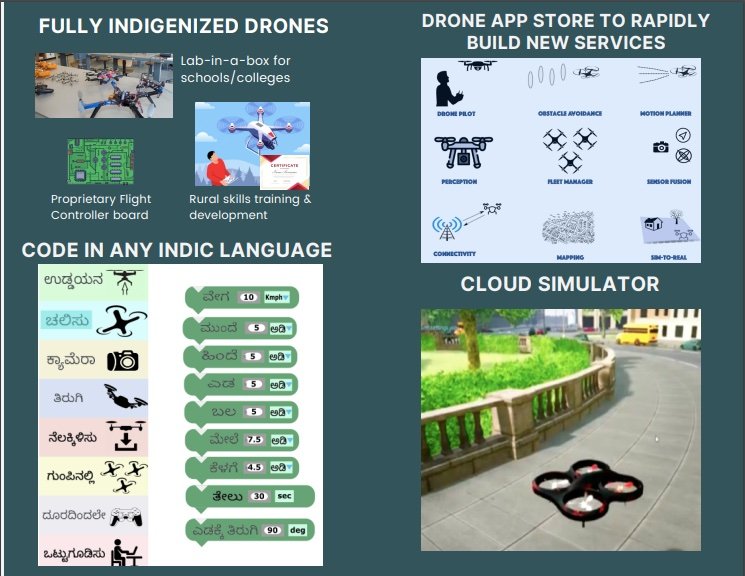
OmniPilot platform capabilities — fully indigenized drones, no-code flying, drone app store, cloud simulator
OMNIPILOT FLIGHT COMPUTER · VISHWA2021
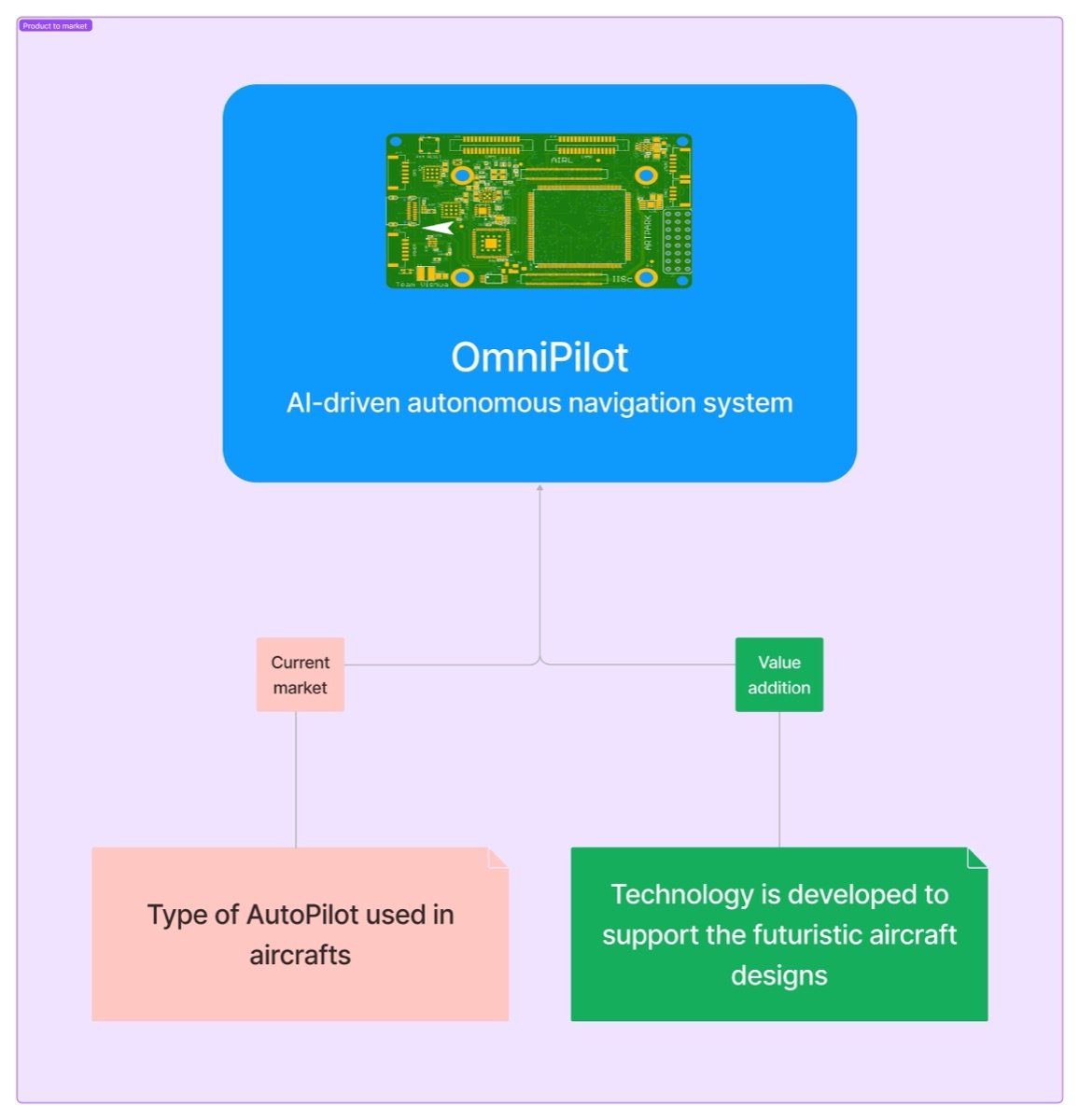
OmniPilot — AI-driven autonomous navigation system, Aero India 2023
AERO INDIA · DRDO SHOWCASE2023
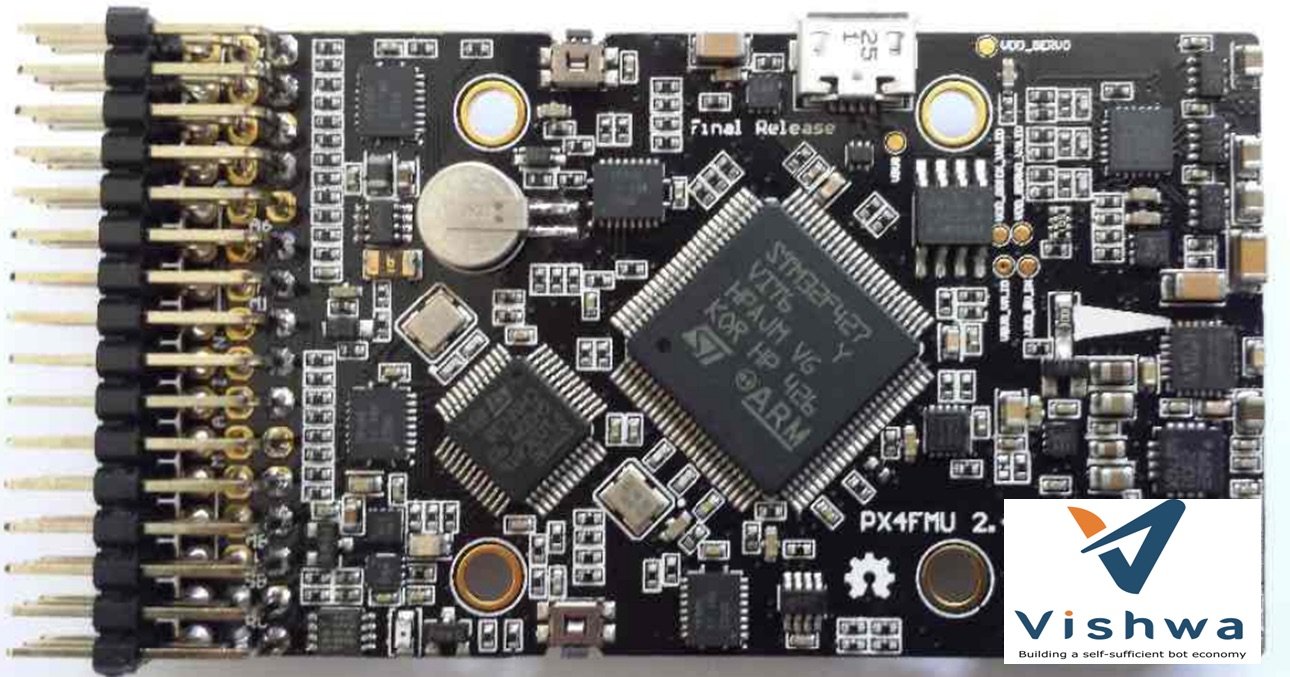
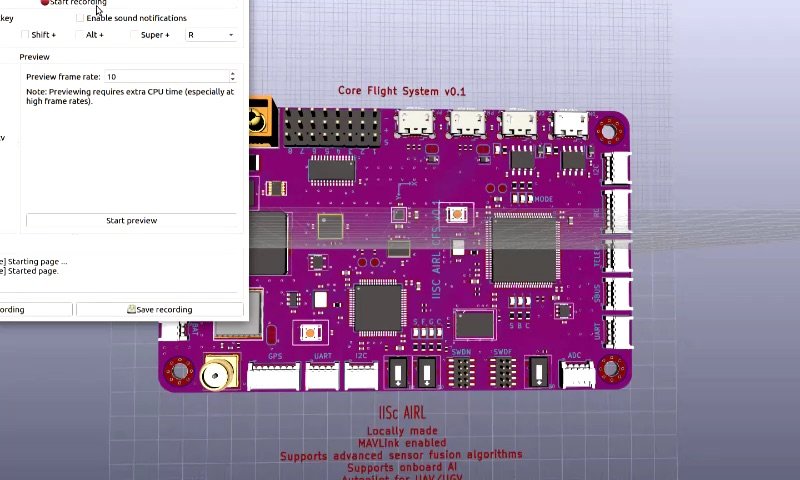
Custom nano-UAV flight controller board, Vishwa Dynamics
NANO-UAV · CUSTOM FLIGHT COMPUTER2022
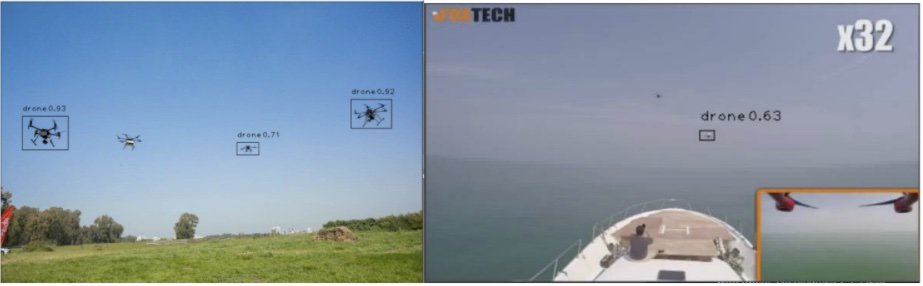
AI-based drone detection — bounding box tracking on land and naval scenes
COUNTER-UAV · EO/IR + ACOUSTIC2022
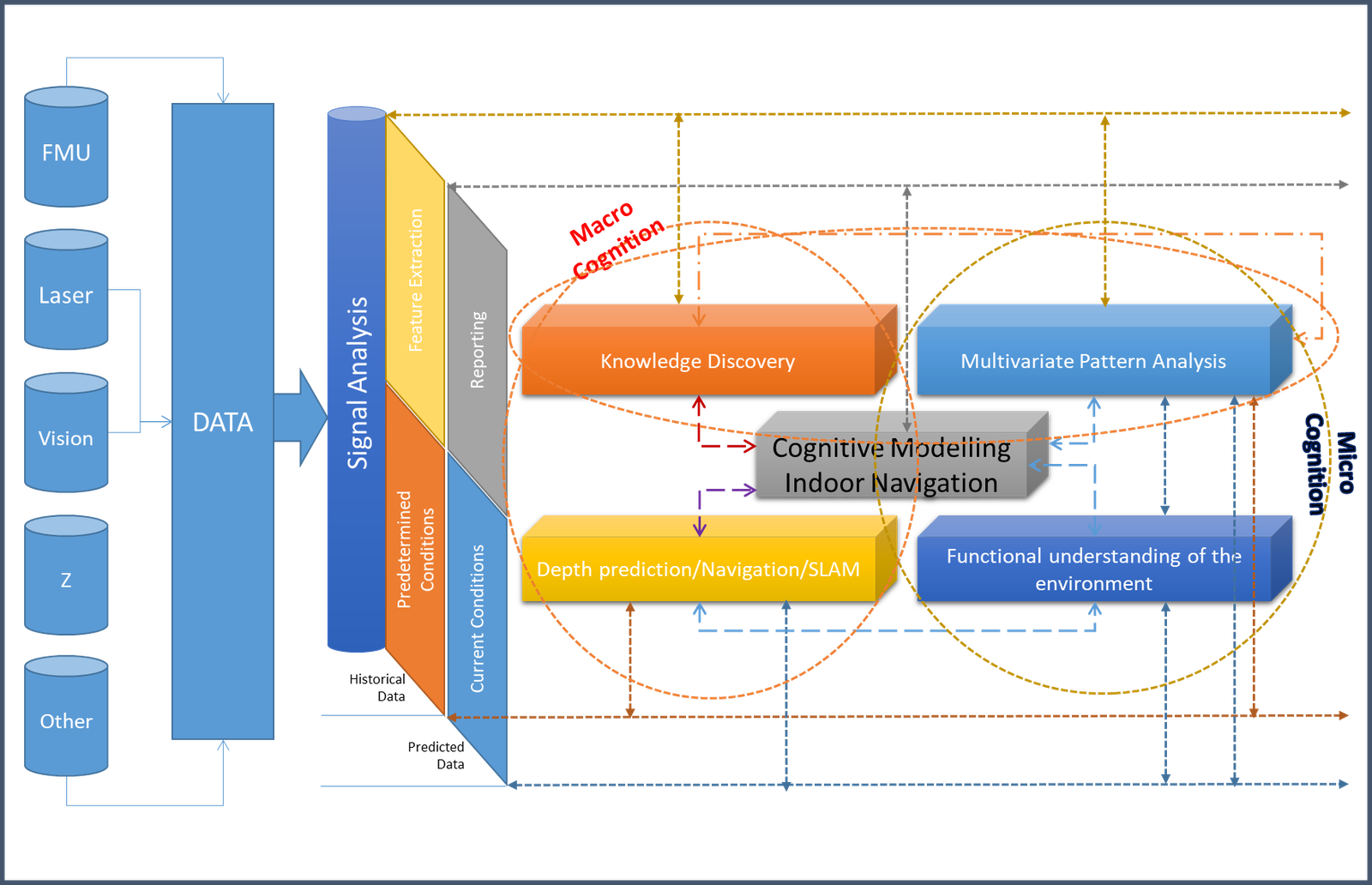
Cognitive modeling for indoor navigation — multi-modal sensor fusion through meta-cognitive reasoning
COGNITIVE DECISION ARCHITECTURE2021
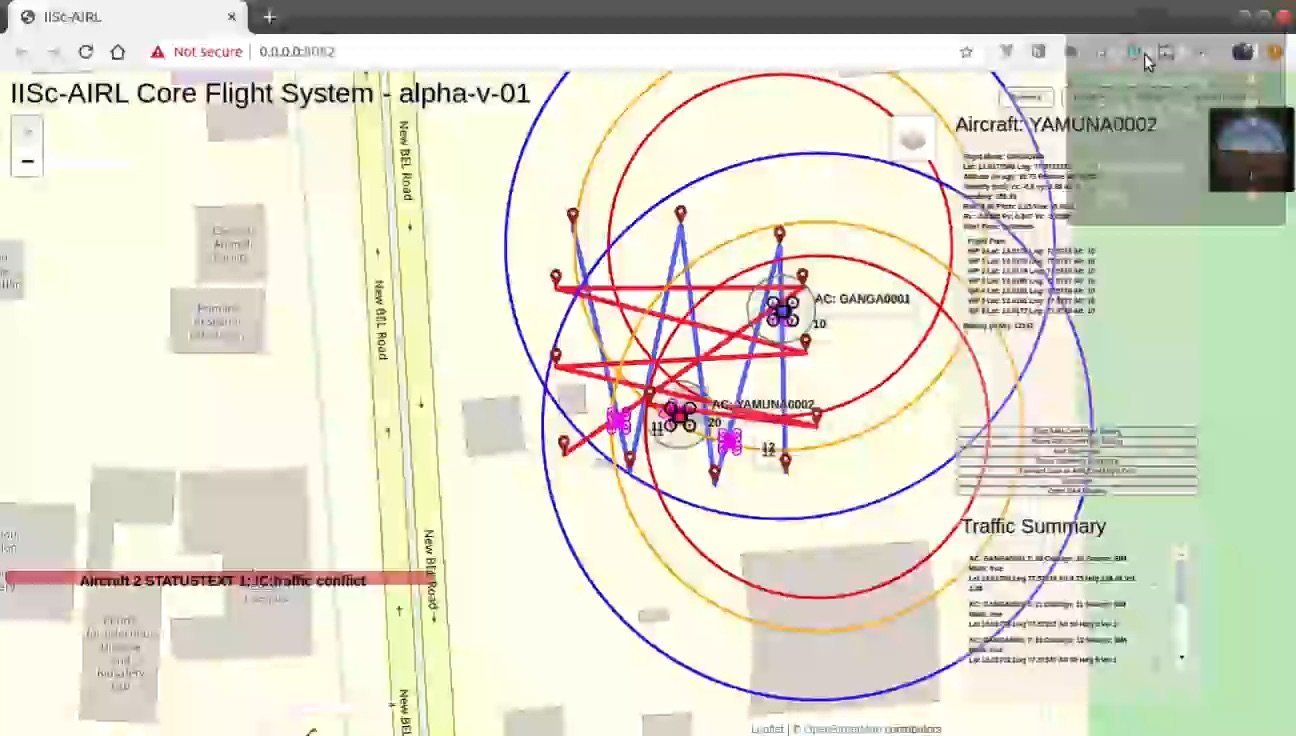
UAV traffic management — conflict resolution dashboard, SwarmX
SWARMX · FLEET CONFLICT RESOLUTION2016
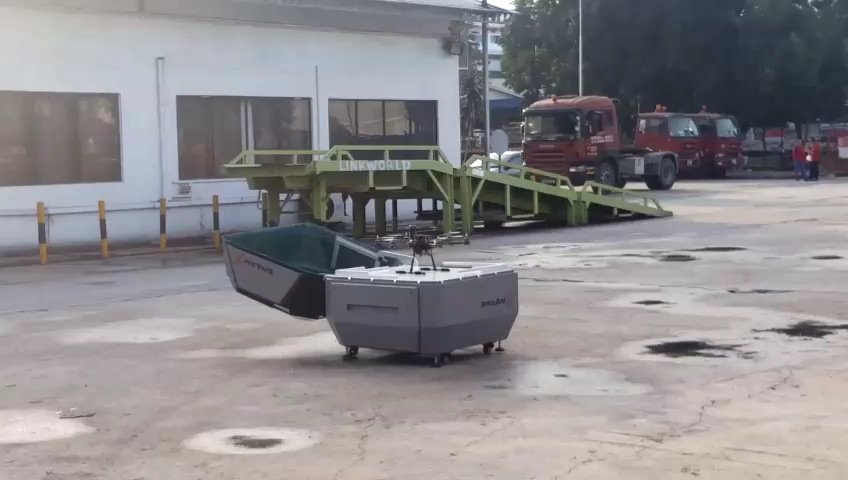
SwarmX precision landing — raised platform with landing guidance
PRECISION LANDING · SWARMX2015
Pixhawk-based flight platform, NTU ATMRI / Temasek Labs
NTU ATMRI · TEMASEK LABS PLATFORM2014
URBAN-FARMING POC · VISION-ONLY2025
play tapes/ --sequential

The tapes.

TAPE 01 · OMNIPILOT PLATFORM DEMO2021
TAPE 02 · WAREHOUSE POC · LIDAR-FREE2025
TAPE 03 · UAV FIELD CLIP I2014–22
TAPE 04 · PRECISION LANDING2014–22
TAPE 05 · UAV FIELD CLIP III2014–22
TAPE 06 · AI IN DEFENSE I · IISC2021
TAPE 07 · PRECISION LANDING · SWARMX2015
TAPE 08 · AI IN DEFENSE III · IISC2021
TAPE 09 · LGSDP WAREHOUSE I2019
TAPE 10 · LGSDP WAREHOUSE II2019
TAPE 11 · LGSDP SIMULATION2019
TAPE 12 · SAS LAB CAPTURE2019
TAPE 13 · PRECISION LANDING · IISC2021
TAPE 14 · LANDING ON MOVING VEHICLE · NTU2017